
Lake Jualbup, a cherished urban wetland in the City of Subiaco, has successfully reversed a devastating trend of avian botulism outbreaks thanks to a strategic partnership between the City and water management specialists PASES Aqua Pty Ltd.
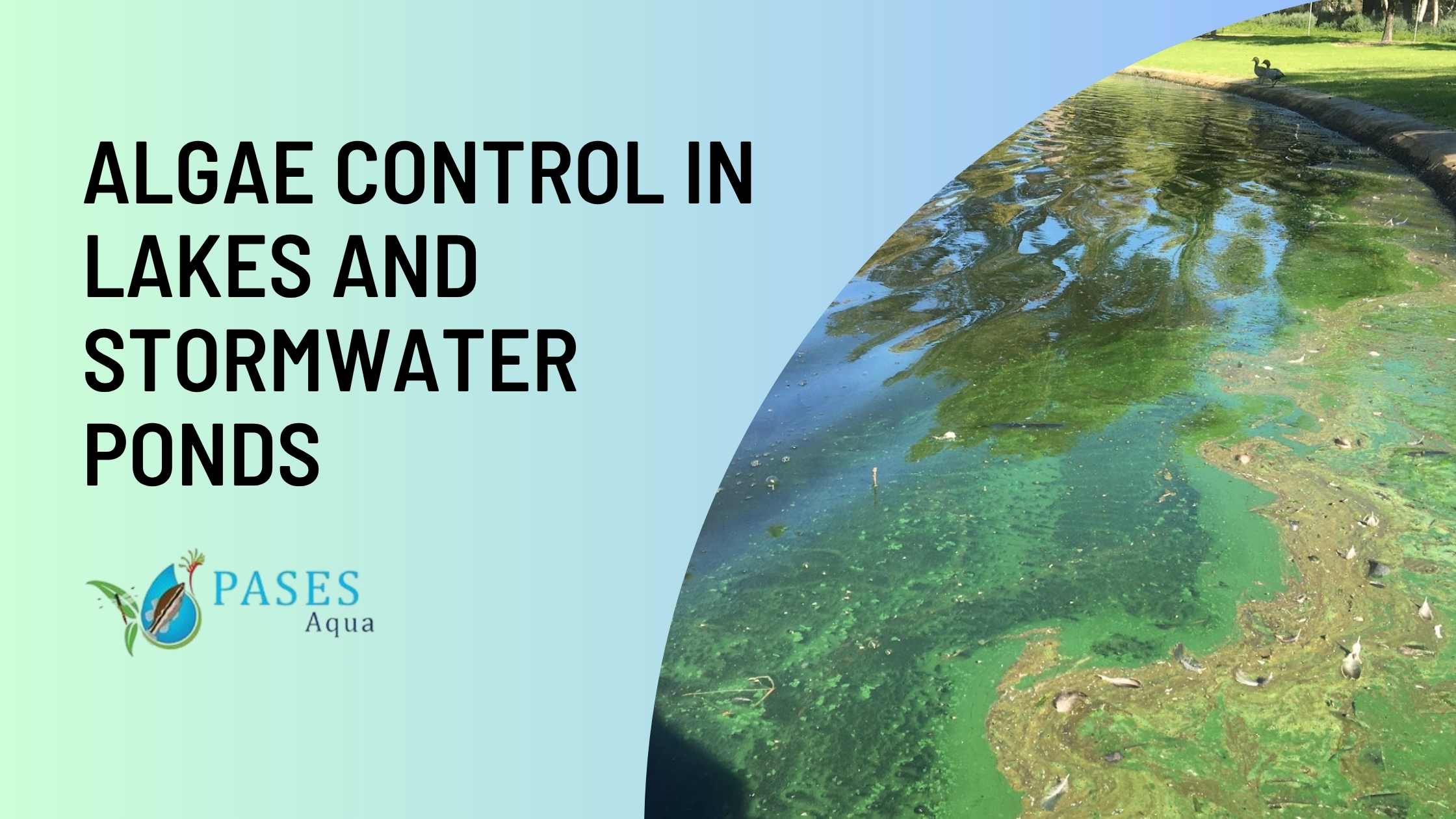
In late autumn of 2024, an outbreak of avian botulism at the lake resulted in the deaths of more than 40 birds, including ducks, swans, and other local waterbirds. Avian botulism is a paralytic disease caused by a naturally occurring bacterium that thrives in low-oxygen water conditions, often exacerbated by drought and warm weather.
Following the successful implementation of new biological treatments and solar-powered technology in early 2025, no further botulism outbreaks have been detected.
City of Subiaco CEO Colin Cameron confirmed the proactive approach taken to safeguard the lake’s ecosystem: “Following a period of drought, which resulted in lower water levels than usual, the City engaged PASES Aqua Pty Ltd to provide strategies to improve the water quality and mitigate future avian botulism outbreaks at the lake. Treatments including anaerobic bacterial and enzyme treatments in January 2025, and the installation of two new solar powered paddle aerators in April 2025, are playing a significant role in reducing the risk of future botulism outbreaks and maintaining optimum oxygen levels within the lake’s ecosystem.”
The Challenge at Lake Jualbup
Constructed wetlands like Lake Jualbup are vital habitats for wildlife. However, low water levels, stagnant water, and a build-up of organic nutrients can deplete oxygen, creating ideal conditions for the Clostridium botulinum bacterium to multiply and produce toxins. Once infected, birds suffer paralysis and often cannot survive without intervention.
“Our goal was to show that we can combat these seasonal issues using a combination of beneficial bacteria, enzymes, and targeted aeration technology,”
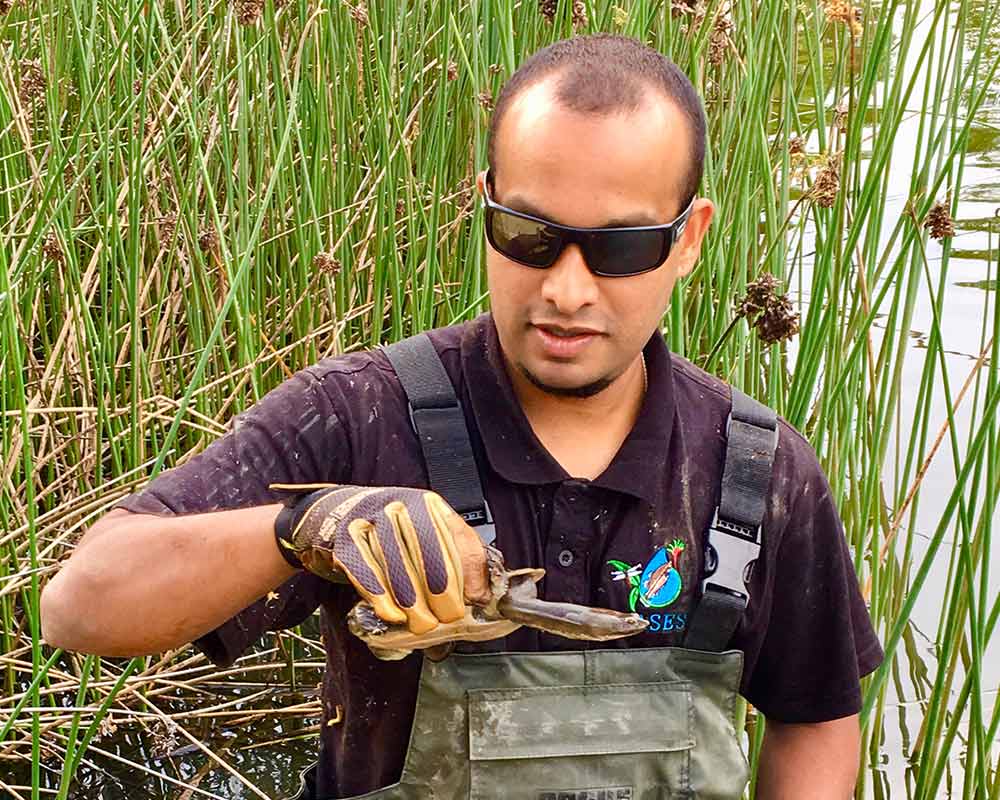
said Dr. Dulana Herath, Founder of PASES Aqua Pty Ltd.
“Natural fluctuations in water level meant that solar paddle wheel aerators were the perfect solution to improve oxygen levels at low water depths. This directly improves water quality and creates an environment where botulism is far less likely to develop. We also applied anaerobic bacterial treatments and enzymes into stagnant areas which may have been potential hotspots for Clostridium.”
A Targeted Solution
- January 2025: Application of anaerobic bacterial treatments (BBA Biosolutions) and enzymes (Ozipond Lakefix) to break down organic sludge and reduce nutrient load
- January 2025: Revegetation of banks and inner areas with trees and plants to soak up sediment nutrients
- April 2025: Installation of two solar-powered paddle wheel aerators to continuously circulate water and increase dissolved oxygen
This combined approach has led to a dramatic improvement. Since the treatments, water quality at the lake has stabilized, with no further botulism outbreaks confirmed.
A Practical Model for Other Wetlands
“This project demonstrates that there are effective, environmentally responsible alternatives for managing water quality and botulism outbreaks in urban wetlands,”
said Dr. Herath.
“Many wetlands across Perth and Australia face similar challenges. Solar aeration combined with biological treatment offers a cost-effective and sustainable way forward.”
The successful outcome at Lake Jualbup is now being shared with other councils and environmental managers as a practical model for protecting waterbirds and enhancing the health of urban waterways.
“Saving Perth’s waterbirds is possible when we apply the right knowledge and tools,” concluded Dr. Herath. “We are proud to have partnered with the City of Subiaco to show this can be achieved in a practical and sustainable way.”
Originally featured in The Australian Veterinarian, Spring 2025 Issue #29.
![Which Aerator Should I Choose]](https://www.pasesaqua.com.au/wp-content/uploads/2026/07/Which-Aerator-Should-I-Choose.jpg)