![Which Aerator Should I Choose]](https://www.pasesaqua.com.au/wp-content/uploads/2026/07/Which-Aerator-Should-I-Choose.jpg)
Selecting the right aeration system is one of the most important decisions when managing a farm dam for Australian native fish. While many native species are well adapted to Australia’s harsh climate, they still require stable dissolved oxygen levels, good water circulation and healthy water quality to achieve maximum growth and minimise fish losses.
Not all aeration systems work the same way. Some are designed primarily for aesthetics, others circulate deep water, while some actively inject oxygen into flowing water. Choosing the wrong aerator can result in poor oxygen distribution, unnecessary operating costs and disappointing performance.
This guide explains the differences among surface, subsurface, and hydraulic aeration, and which system is best suited to Australian native fish aquaculture.
Why Aeration Matters for Native Fish
Australian native fish have evolved in waterways with seasonal fluctuations in temperature, dissolved oxygen and water flow. Although species such as Murray Cod, Silver Perch and Golden Perch are relatively hardy, prolonged periods of low dissolved oxygen can quickly reduce feeding, growth and disease resistance.
A properly designed aeration system helps to:
- Maintain healthy dissolved oxygen levels
- Improve water circulation throughout the dam
- Reduce thermal stratification
- Minimise sludge accumulation and blackwater conditions
- Improve biological filtration within the water column
Reduce the likelihood of fish kills during summer or following storms
Rather than simply adding bubbles, an effective aeration system improves the dam’s overall ecological health.
The Three Main Types of Dam Aeration
1. Subsurface Aeration (Bottom Diffused Aeration)
Subsurface aeration is generally considered the most effective all-round aeration method for aquaculture dams.
A compressor on the bank pumps air through a weighted airline to diffusers at the bottom of the dam. As millions of fine bubbles rise through the water, they create a lifting effect that draws oxygen-poor bottom water upward while allowing oxygen-rich surface water to circulate downward.
This continual circulation mixes the entire water column rather than simply oxygenating the surface.
Advantages
- Excellent whole-dam circulation
- Reduces thermal stratification
- Oxygenates deeper water
- Improves water quality
- Lower power consumption than many surface aerators
- Operates quietly
- Suitable for most farm dams
Subsurface aeration is generally the preferred solution for native fish aquaculture because it improves conditions throughout the entire water column rather than just near the surface.
Our Subsurface Aeration Range
We supply a wide range of complete subsurface aeration systems, including:
Dam Aerator King Kits
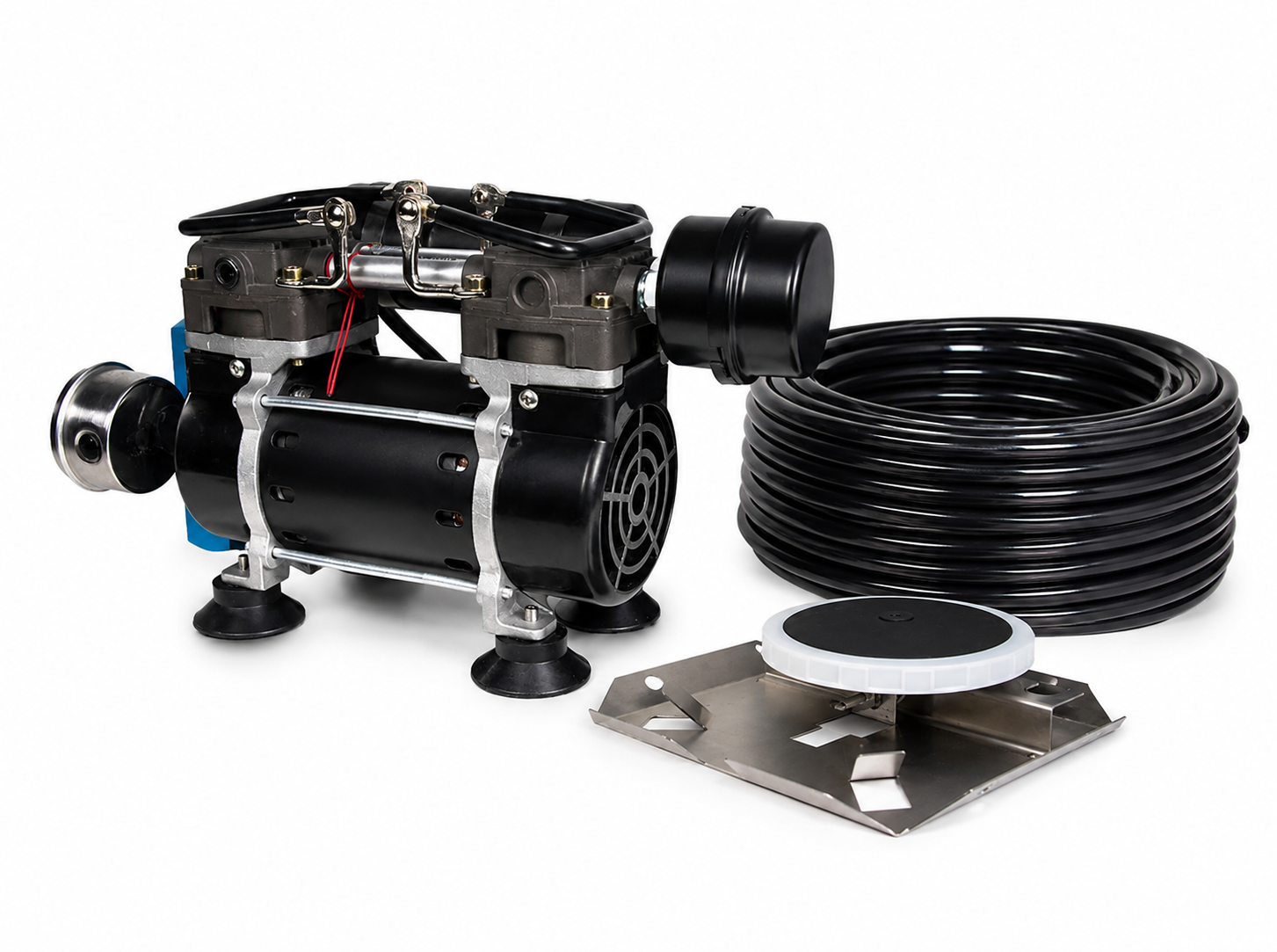
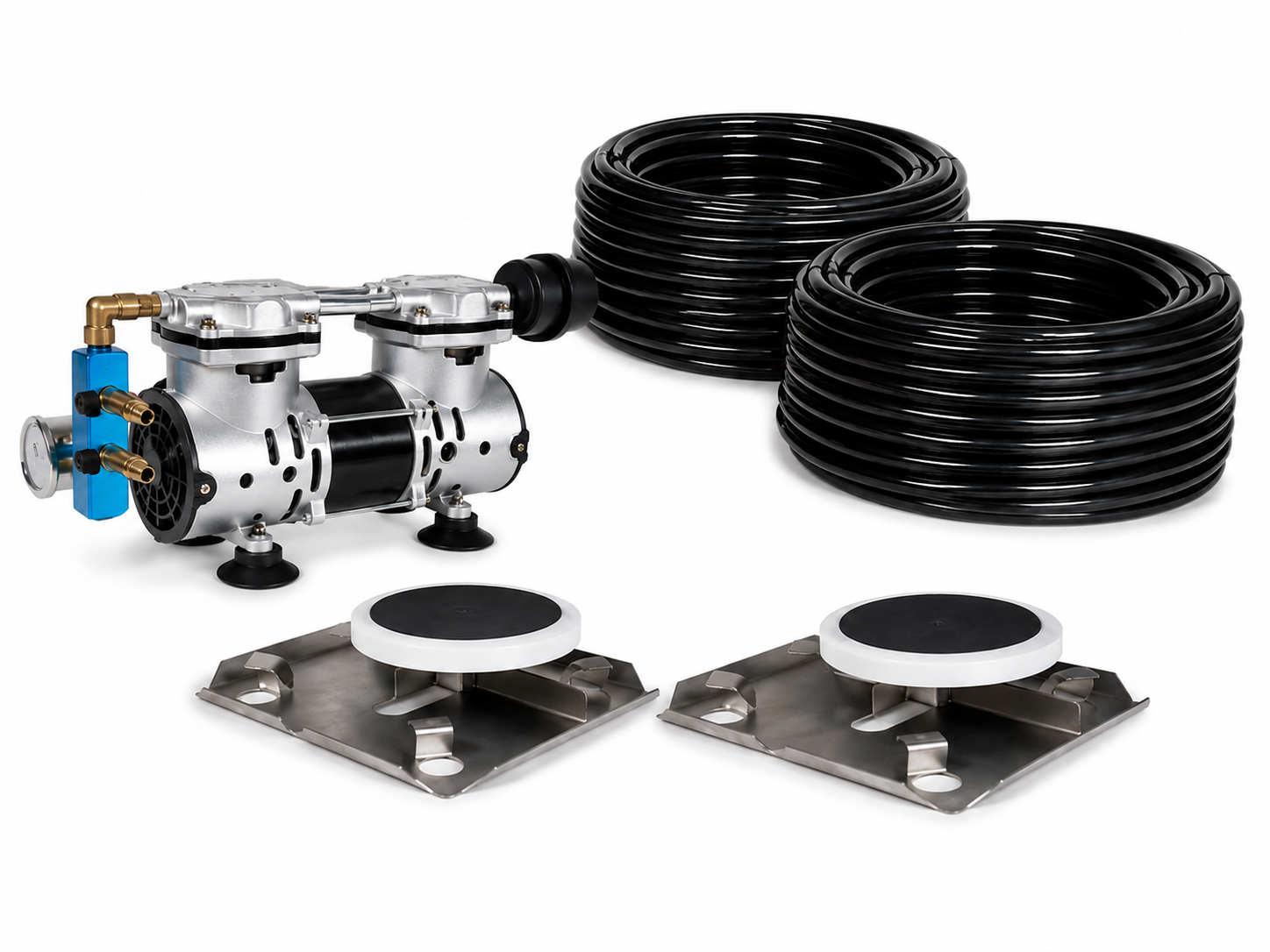
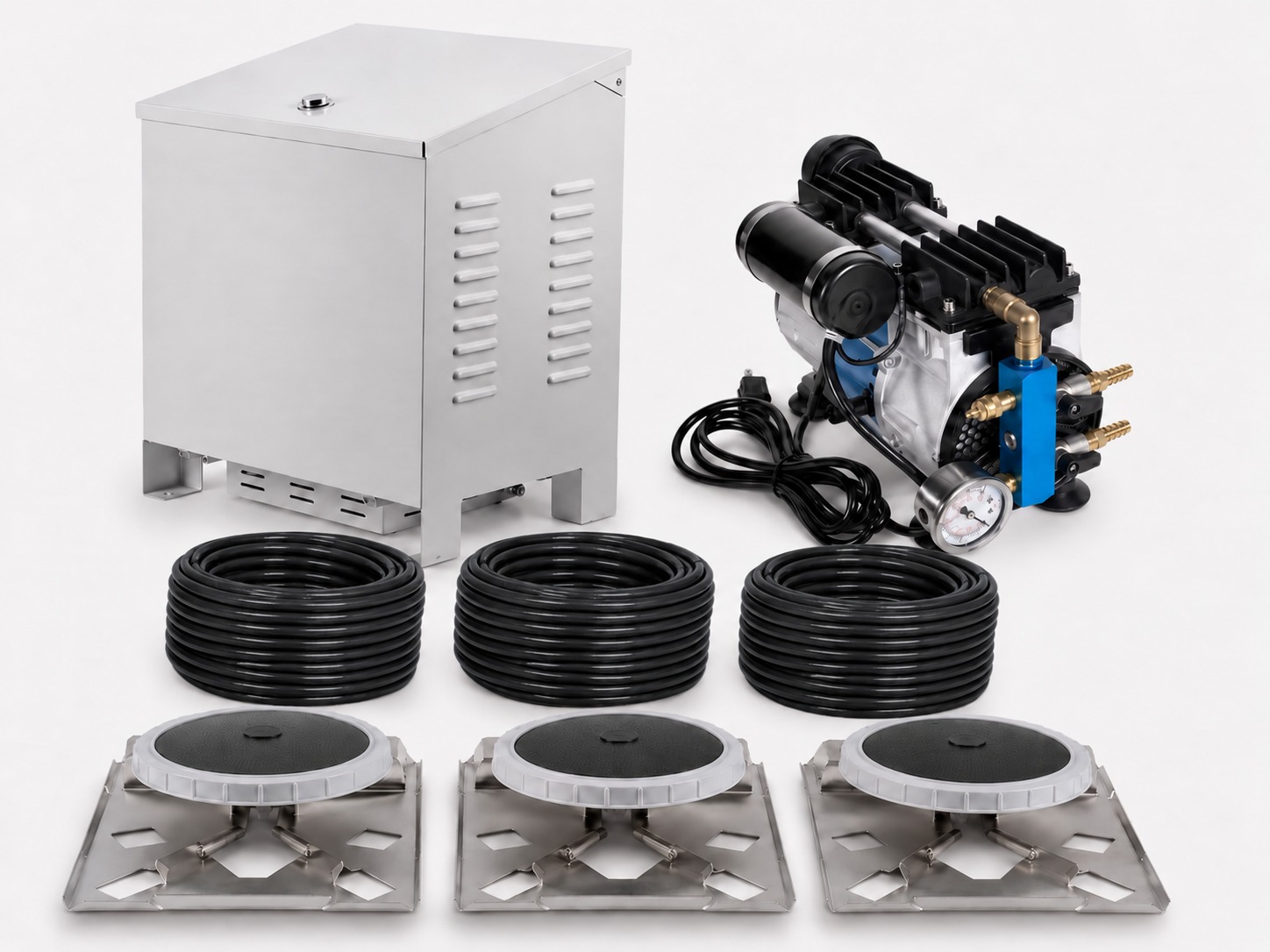
PondMAX SubAir Aeration Kits
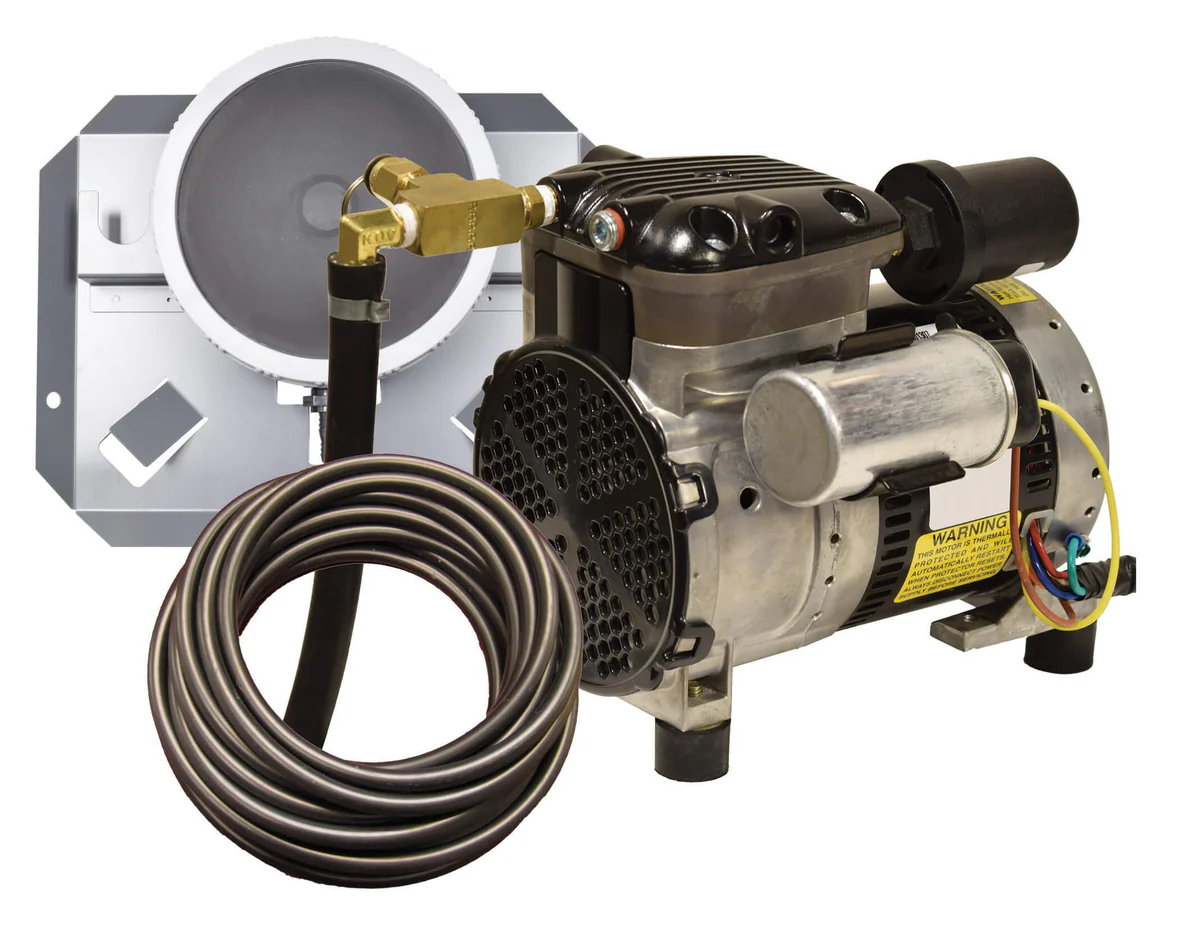 PondMAX SubAir Aeration System 4000 Set 1
 PondMAX SubAir Aeration System 4000 Set 2
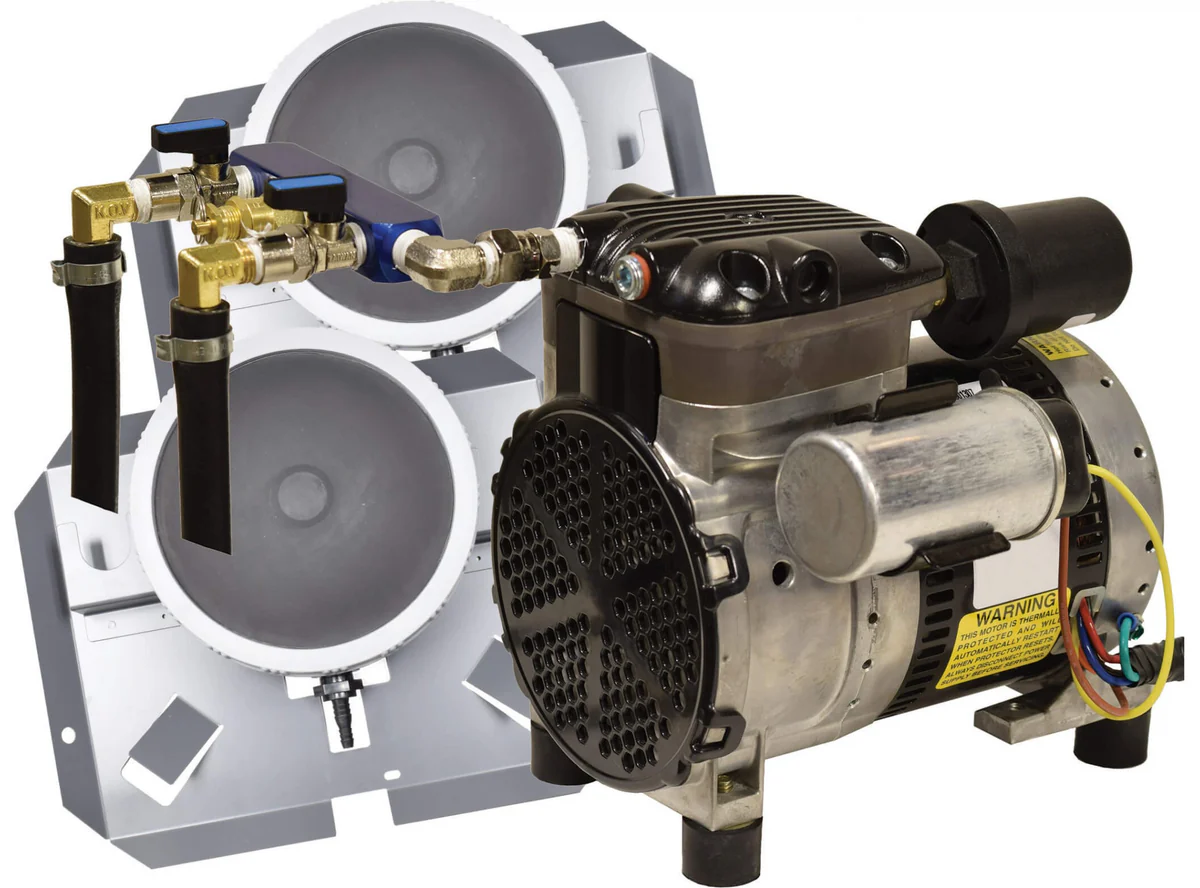 PondMAX SubAir Aeration System 12000 Set
Matala Aeration Kits
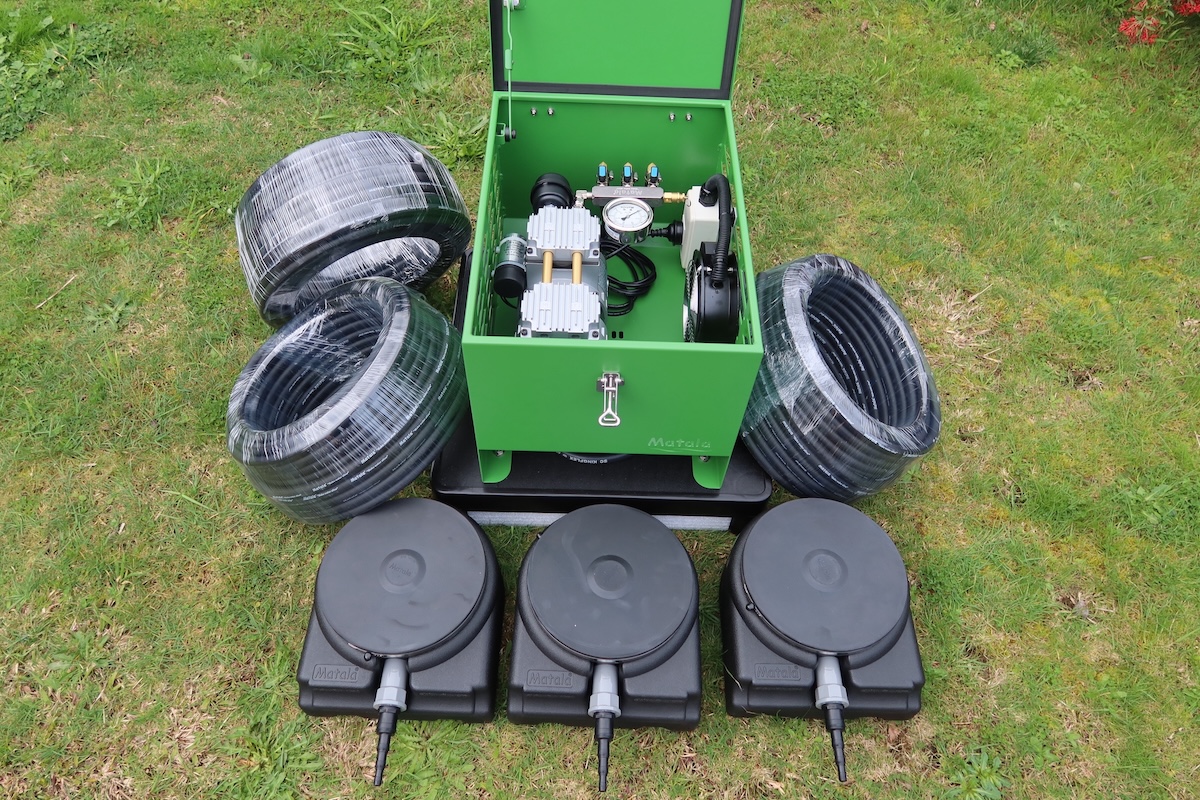
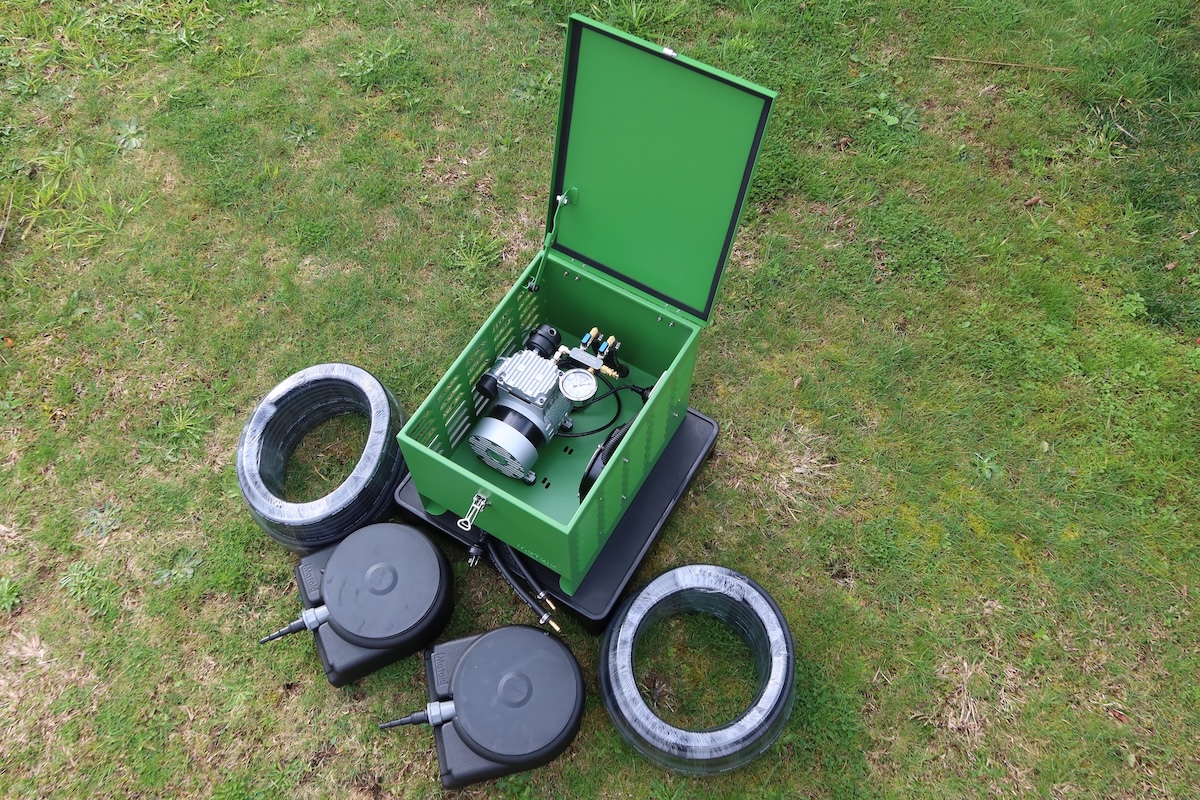
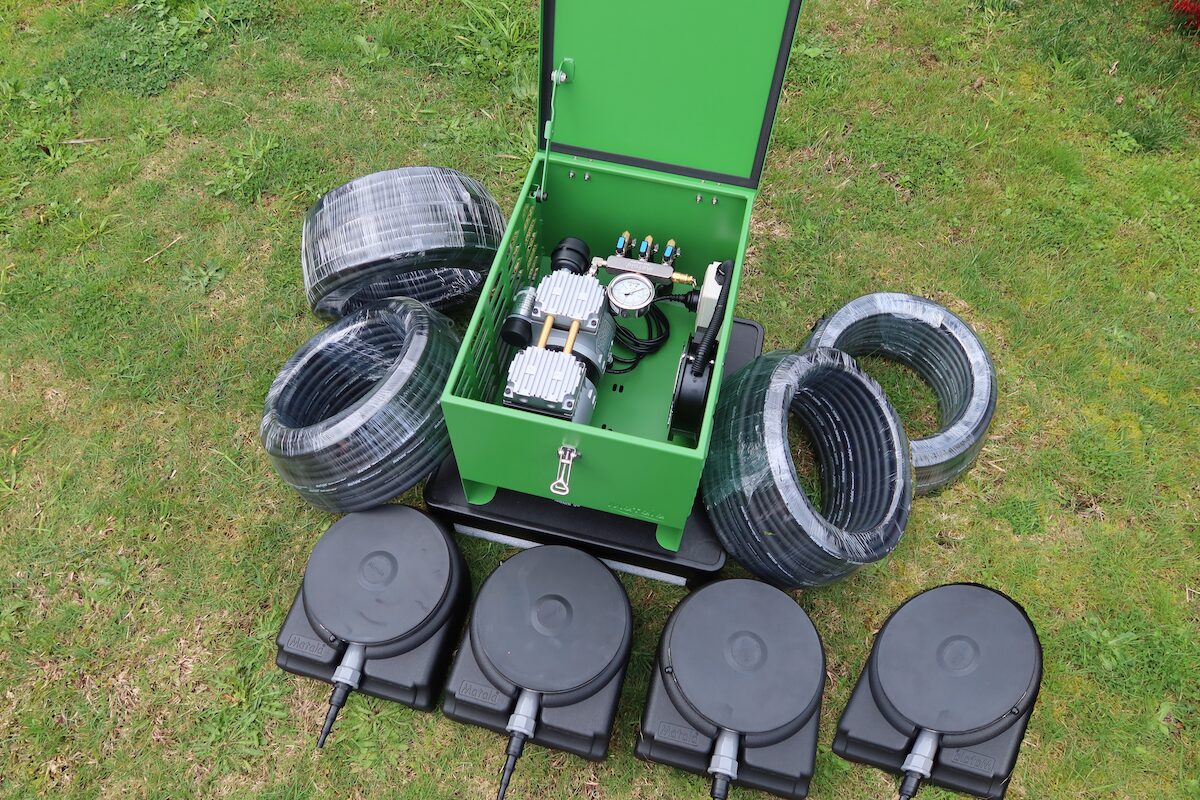
Each system is available in multiple sizes to suit small farm dams through to large aquaculture ponds. Product specification pages will be available on our website shortly.
2. Surface Aeration
Surface aerators create turbulence where water meets the atmosphere. They throw or spray water into the air, increasing oxygen transfer at the surface while also producing attractive visual displays.
Surface aerators are particularly effective where aesthetics are important or where shallow dams require additional oxygenation.
However, because most oxygen transfer occurs near the surface, they generally provide less mixing of deeper water than properly designed subsurface systems.
Advantages
- High oxygen transfer near the surface
- Attractive appearance
- Excellent for shallow ponds
- Can reduce surface algae
- Good circulation near the aerator
Limitations
- Less effective in very deep dams
- Does not always eliminate thermal stratification
- Generally higher power consumption
Our Surface Aeration Range
We supply a complete range of premium surface aerators, including:
Splash Fountains
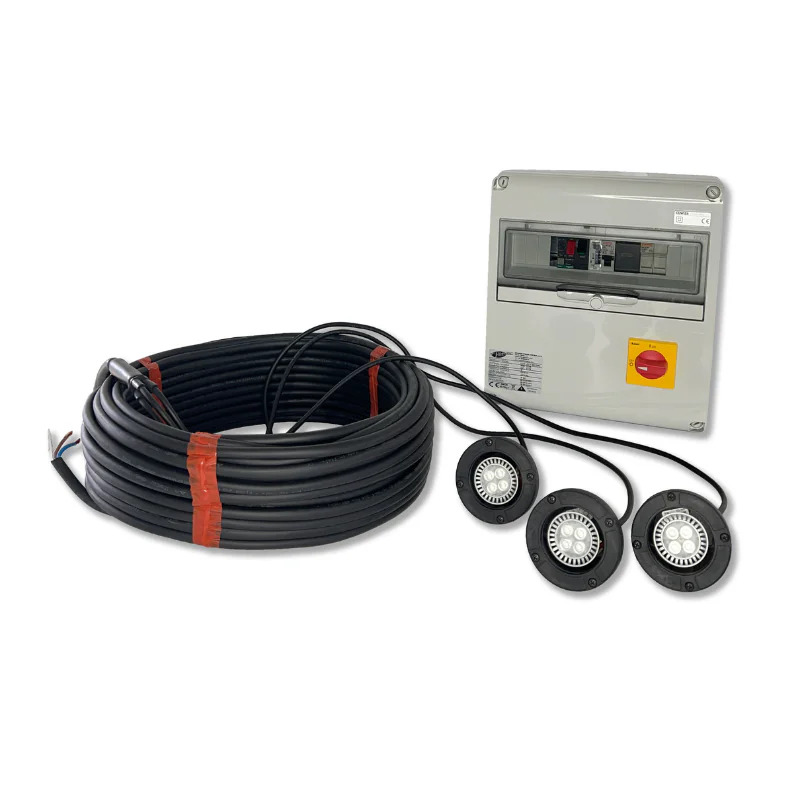 LED Light Kit for Splash, Sprint and Allegro Lake Fountains
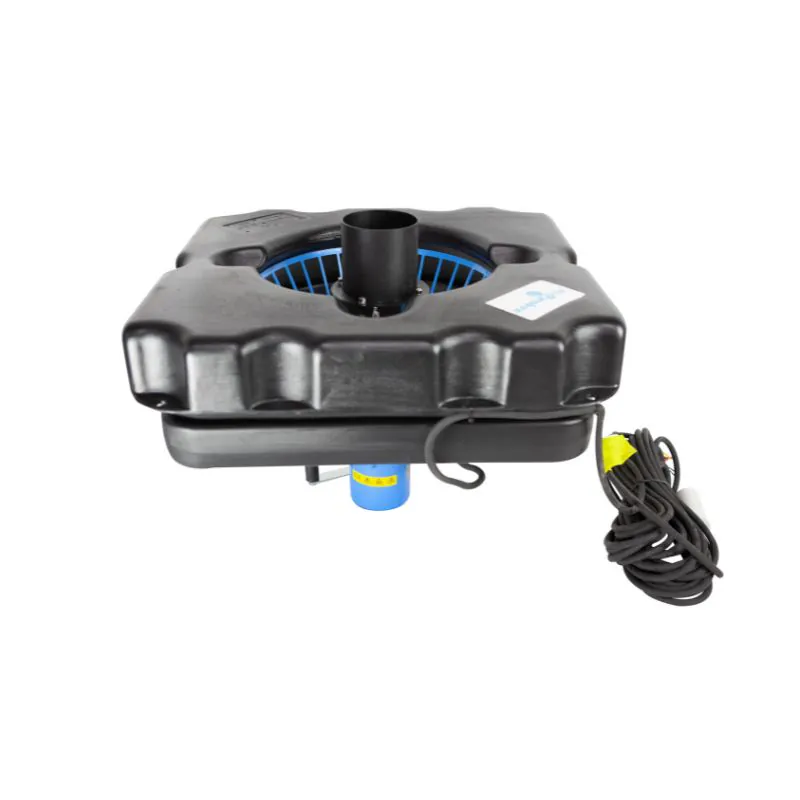 Splash 1.5hp Fountain Kit
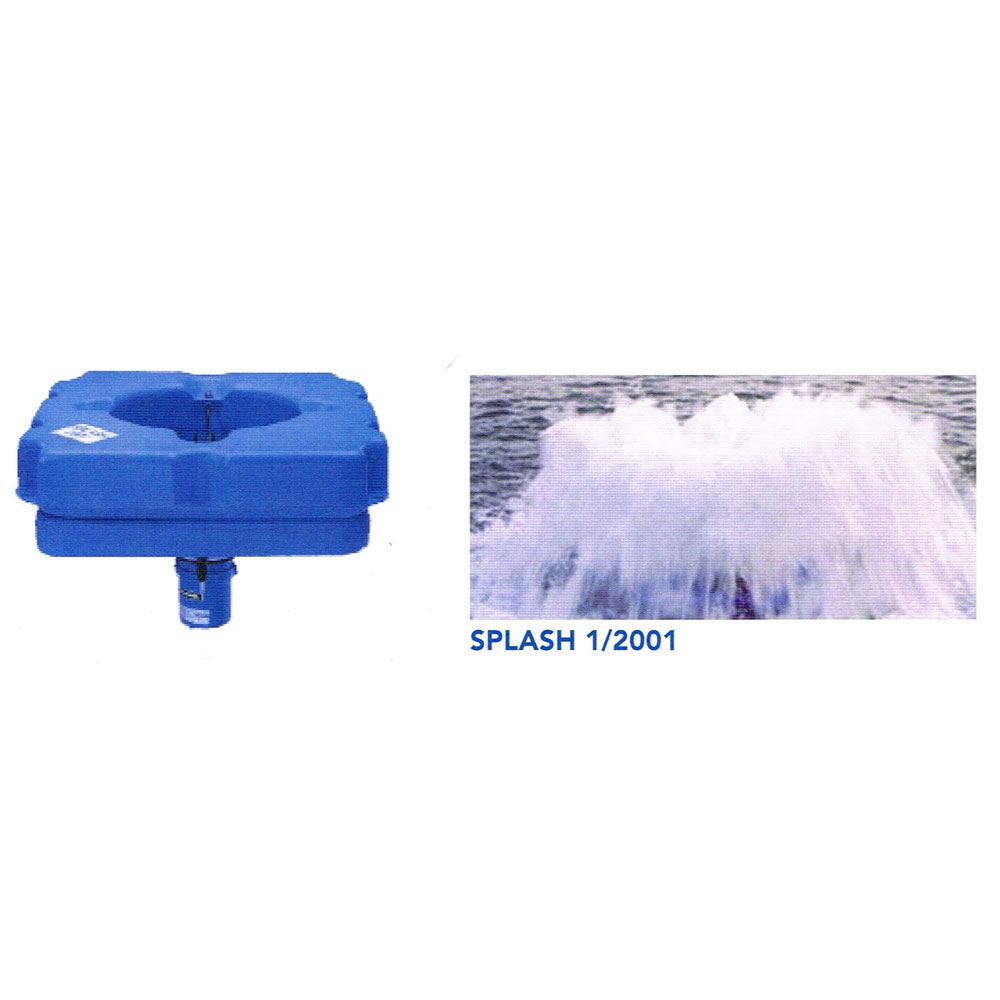 Splash Lake Fountain Kit 1hp
Sprint Fountains
 Sprint 1.6hp Fountain KitLED Light Kit for Splash, Sprint and Allegro Lake Fountains
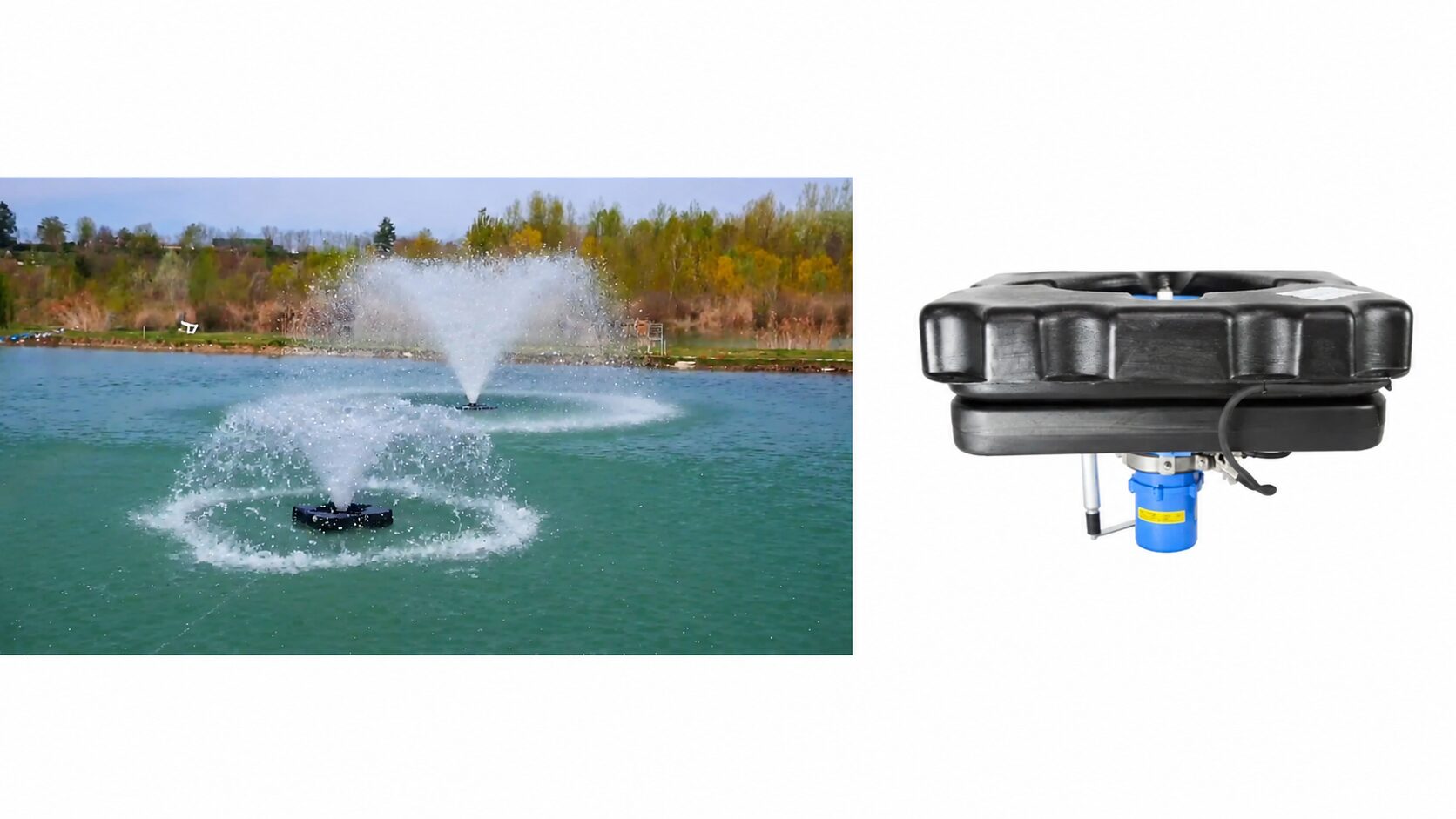 Sprint Allegro 3hp Fountain Kit
Otterbine Fountains
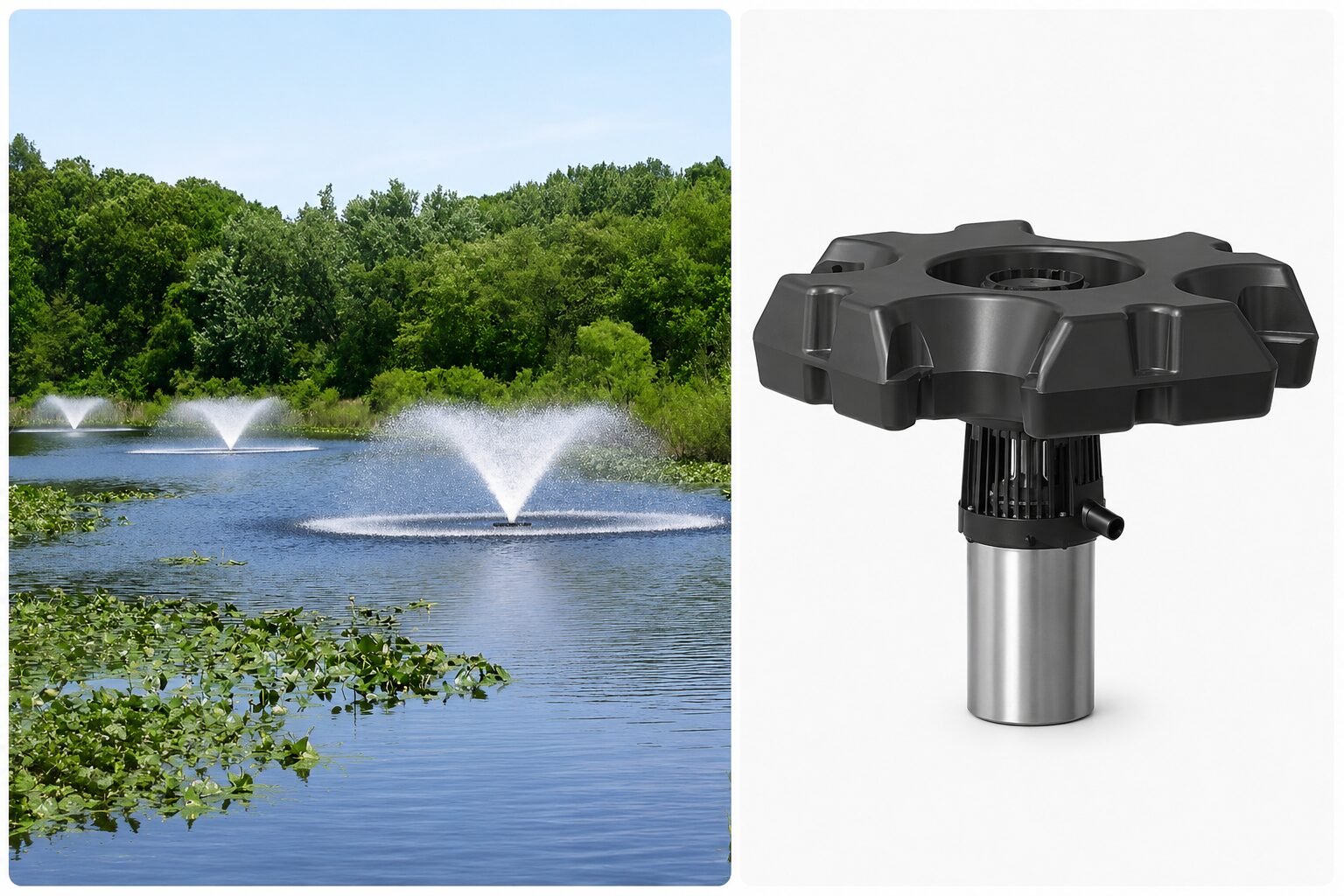 Otterbine Sunburst Aerating Fountain 1HP – Concept 3 RangeOtterbine Sunburst Aerating Fountain 2HP – Concept 3 RangeOtterbine Sunburst Aerating Fountain 3HP – Concept 3 Range
Evolution Fountains
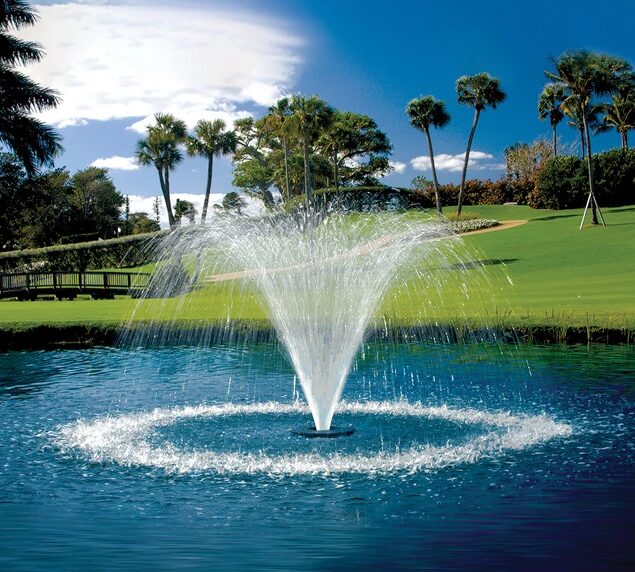
These systems are ideal where improved oxygenation is required alongside an attractive fountain display for farms, wineries, lifestyle properties, golf courses and public lakes.
3. Hydraulic Aeration (Venturi & Aspirator Systems)
Hydraulic aeration uses water movement rather than air compressors to transfer oxygen.
A pump forces water through a venturi or aspirator, where air is drawn into the flowing water and mixed before being discharged back into the dam.
Hydraulic aeration combines circulation with direct oxygen transfer and is commonly used where pumps are already operating for irrigation or recirculation.
Advantages
- Excellent oxygen transfer
- Strong directional circulation
- Can be integrated into pumping systems
- No compressor required
- Effective in raceways, channels and recirculating systems
Limitations
Requires suitable water pumps
Generally less efficient for destratifying large dams
Best suited where continuous water movement already exists
Hydraulic aeration is an excellent option for intensive aquaculture systems, raceways and specialised water management applications, but is usually less suitable than bottom diffused aeration for large static farm dams.
Which Aeration System Is Best?
In many larger aquaculture dams, the most effective solution is a combination of technologies. A bottom-diffused aeration system maintains healthy oxygen levels throughout the water column, while a surface fountain provides additional surface oxygenation, circulation, and visual appeal.
Hydraulic Aeration
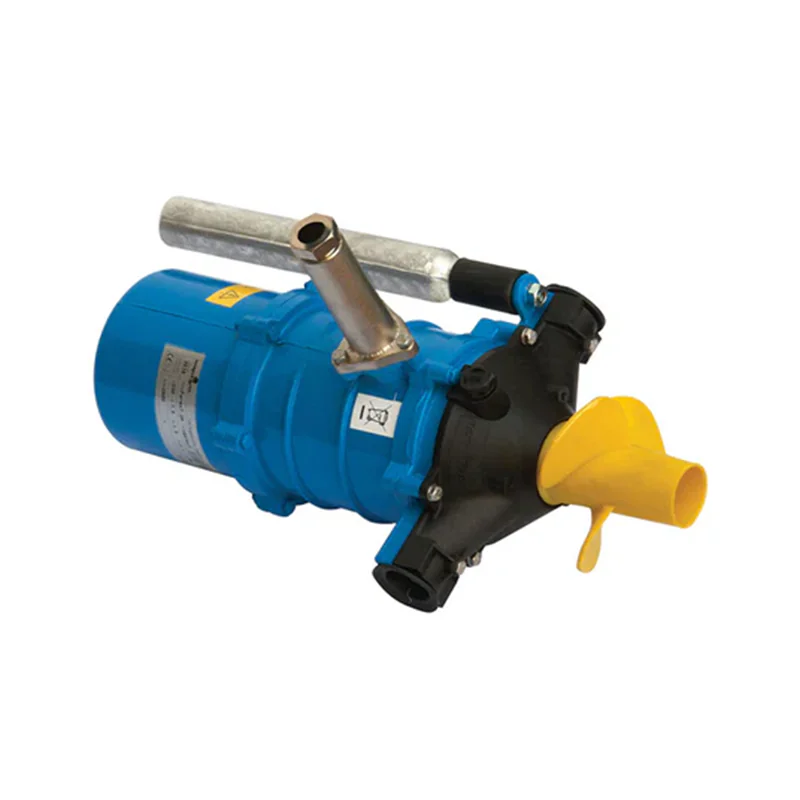 Force 7 Venturi Aerator (Motor Only)
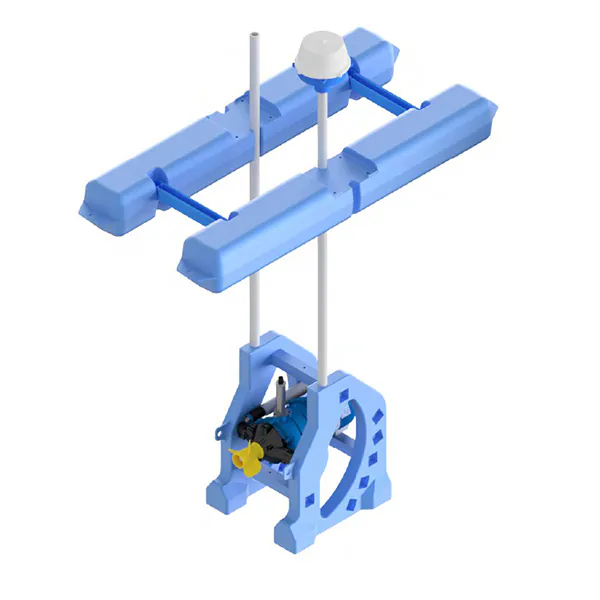 Force 7 Venturi Aerator Kit (With Float)
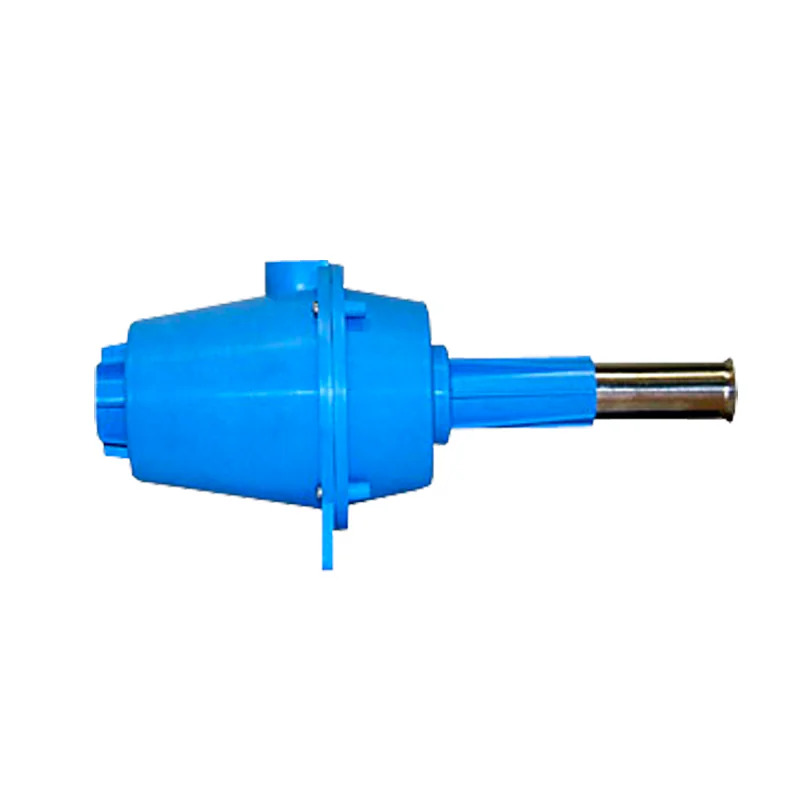 Eco 2 Static Venturi Aerator
What Dissolved Oxygen Levels Do Australian Native Fish Need?
Dissolved oxygen is one of the most important water quality parameters for freshwater aquaculture. Fish extract oxygen directly from the water through their gills, making dissolved oxygen essential for respiration, feeding, growth and reproduction.
Unlike air, water contains relatively small amounts of oxygen. The amount available changes continuously with temperature, atmospheric pressure, plant activity, water movement, and biological oxygen demand.
For most Australian native fish, dissolved oxygen should remain above 5–6 mg/L. Levels below this can reduce feeding, slow growth and increase stress. Prolonged exposure to low oxygen levels can lead to disease outbreaks and large-scale fish deaths.
Typical Oxygen Requirements
| Species | Preferred Dissolved Oxygen |
|---|---|
| Murray Cod | Above 5 mg/L |
| Golden Perch | Above 5 mg/L |
| Silver Perch | Above 5 mg/L |
| Australian Bass | Above 6 mg/L |
| Freshwater Catfish | Above 5 mg/L |
Rather than designing for the minimum survival level, aeration systems should maintain oxygen concentrations comfortably above these thresholds to maximise fish health and productivity.
Why Do Farm Dams Lose Oxygen?
Understanding why oxygen declines is fundamental to selecting the correct aeration system.
The primary causes include:
- Organic matter decomposition
- Fish waste
- Livestock runoff
- Nutrient loading
- Algal blooms
- Thermal stratification
- Blackwater events following heavy rainfall
- Sediment sludge accumulation
These processes all consume dissolved oxygen faster than it can naturally be replenished.
A correctly sized aeration system not only restores oxygen but also improves circulation, accelerates decomposition of organic matter and reduces the risk of sudden oxygen crashes.
Choosing the Right System for Your Dam
Every dam is different. Factors such as depth, surface area, stocking density, nutrient loading, fish species and available power all influence the ideal aeration design.
For most Australian native fish aquaculture dams, subsurface aeration provides the greatest long-term benefit, delivering whole-water-column circulation, improved oxygen distribution and excellent energy efficiency.
Surface fountains are ideal where appearance is equally important, while hydraulic aeration is well suited to specialised pumping and recirculating systems.
At PASES Aqua, we supply complete aeration solutions for farm dams, aquaculture, irrigation storage, and lakes throughout Australia. Our team can recommend the most suitable aeration system based on your dam size, fish species and management goals, ensuring reliable performance and healthy water conditions year-round.